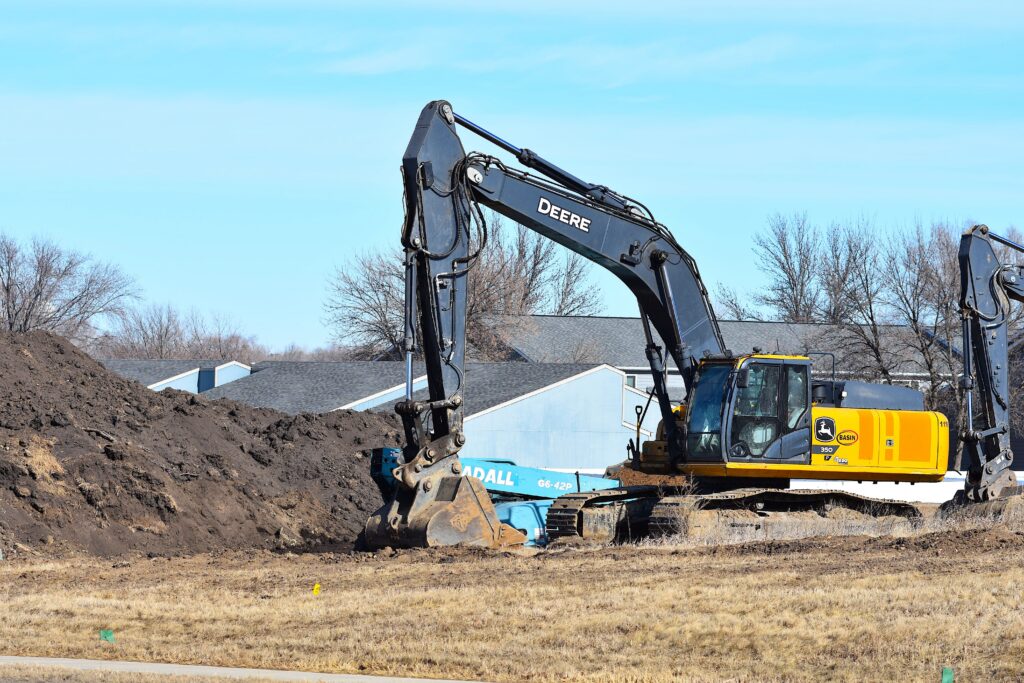
Whether you’re planning to install a new patio, build an addition, replace a septic system, or improve your property’s drainage, every successful project starts with one critical step: proper excavation.
Excavation is much more than simply moving dirt. It’s the foundation of your entire project. When done correctly, excavation ensures proper drainage, structural stability, safe utility placement, and long-term durability. When shortcuts are taken, however, homeowners can face costly repairs, delays, and even safety hazards.
Before your next outdoor project begins, here’s what every Northern Michigan homeowner should know about excavation.
Excavation Is More Than Digging
Many homeowners think excavation simply means clearing dirt to make room for construction. In reality, professional excavation involves careful planning and precise execution.
A quality excavation project may include:
- Site preparation
- Land clearing
- Grading and leveling
- Soil evaluation
- Drainage planning
- Utility location and protection
- Foundation preparation
- Septic system excavation
- Trenching for water, electrical, or drainage lines
Each of these steps affects how well your finished project performs for years to come.
Understanding Your Soil Matters
Not all soil behaves the same.
Northern Michigan properties can contain sand, clay, gravel, rock, or a combination of soil types. Each presents different challenges for excavation and construction.
For example:
- Sandy soils drain well but may require additional compaction.
- Clay soils retain water and can cause drainage issues if not graded properly.
- Rocky ground may require specialized equipment.
- Organic soils may need to be removed before construction begins.
A professional excavation contractor understands how local soil conditions affect foundations, retaining walls, patios, driveways, and drainage systems.
Always Locate Underground Utilities
One of the most important steps before excavation begins is identifying underground utilities.
Gas lines, electrical service, water lines, communication cables, and sewer connections may all be buried beneath your property.
Professional contractors coordinate utility locating services before digging begins to prevent dangerous accidents, expensive repairs, and project delays.
Never assume it’s safe to dig—even for smaller landscaping projects.
Proper Grading Prevents Future Problems
One of the biggest benefits of professional excavation is creating proper grading.
Grading determines how water flows across your property.
Poor grading can lead to:
- Standing water
- Foundation damage
- Basement leaks
- Erosion
- Muddy yards
- Washed-out landscaping
- Premature driveway or patio failure
Proper grading directs water away from your home while creating a stable base for construction.
Permits May Be Required
Depending on the project, local permits may be necessary before excavation begins.
Projects that commonly require permits include:
- Home additions
- Septic system installations
- Shoreline work
- Retaining walls
- Large grading projects
- Drainage improvements
An experienced excavation contractor understands local regulations and can help ensure your project complies with applicable requirements.
The Right Equipment Makes a Difference
Every excavation project requires equipment suited to the job.
Professional contractors select machinery based on:
- Property access
- Soil conditions
- Project size
- Existing landscaping
- Safety considerations
Using equipment that’s too large can unnecessarily damage lawns and landscaping, while equipment that’s too small may increase labor costs and project timelines.
Having the right equipment helps complete the work efficiently while minimizing disruption to your property.
Planning Ahead Saves Time and Money
Many homeowners underestimate how excavation impacts the overall construction schedule.
Proper planning includes:
- Site evaluation
- Utility locating
- Material removal
- Weather considerations
- Equipment scheduling
- Drainage design
- Soil stabilization
Taking time to prepare properly often prevents expensive surprises once construction begins.
Why Hire a Professional Excavation Contractor?
Excavation forms the foundation for nearly every outdoor improvement project. Mistakes made underground often don’t become visible until months—or even years—later.
Professional excavation helps ensure:
- Stable foundations
- Proper drainage
- Longer-lasting hardscapes
- Safer construction
- Fewer costly repairs
- Better project timelines
Working with an experienced contractor provides peace of mind that your investment is built on solid ground from the very beginning.
Trust DFR Services for Professional Excavation
At DFR Services, we provide expert excavation services throughout Northern Michigan for residential and commercial properties. Whether you’re preparing for new construction, installing a septic system, improving drainage, or creating the perfect outdoor living space, our experienced team has the equipment and knowledge to get the job done right.
From careful planning to precise grading and site preparation, we’re committed to building a strong foundation for every project.
Contact DFR Services today to schedule a consultation and learn how professional excavation can help make your next project a lasting success.